
5 min read · 28 October 2026 · Tim Etherington-Judge
Water Is the Drinks Industry's Blind Spot
Drought and flooding are both hitting drinks producers, yet most brands track carbon and overlook water. The piece explains why water is a bigger supply risk than many realise, and how a distillery...
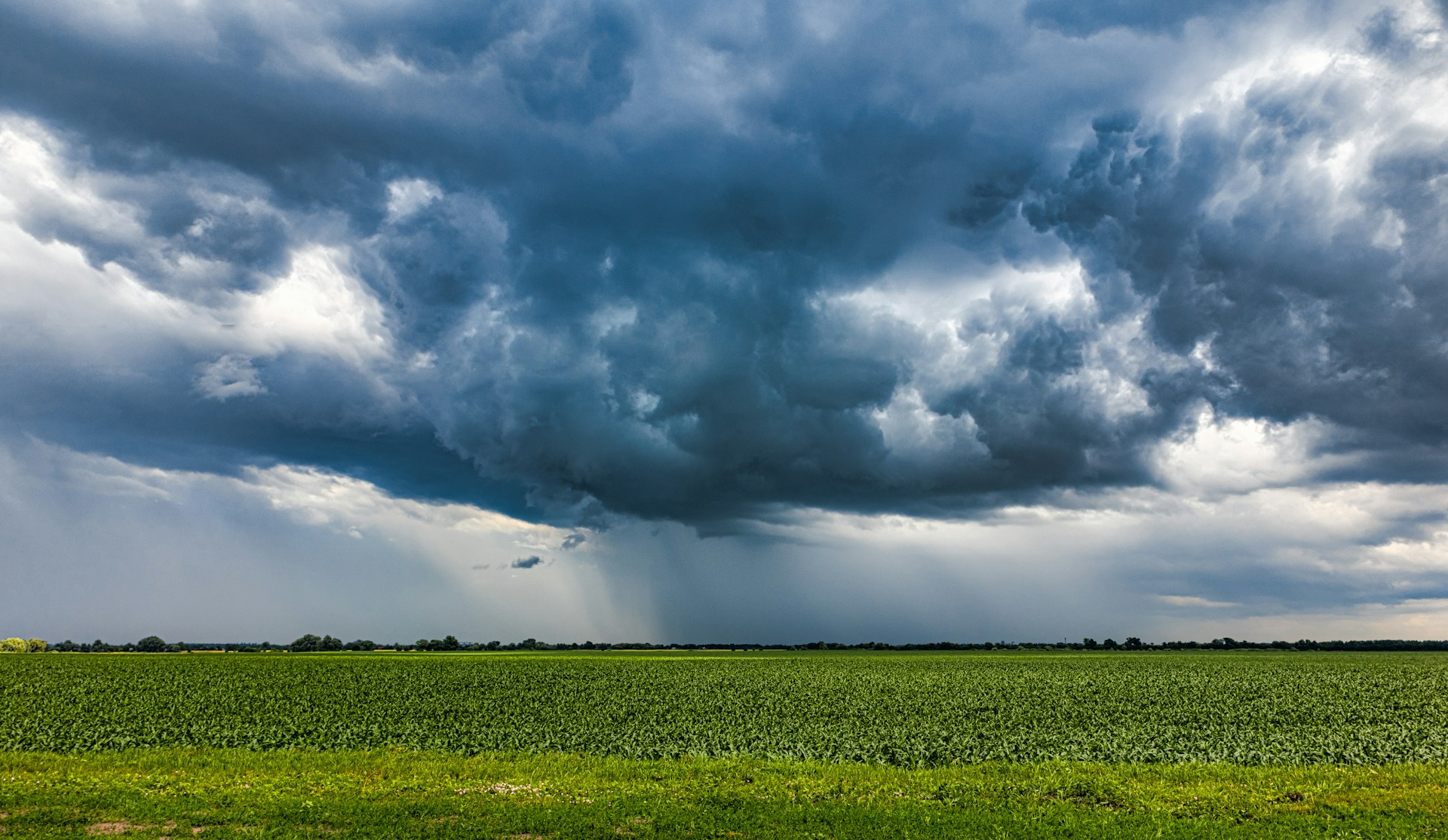
As I tap away at my keyboard, rain urgently drums on the roof of my office shed like it's desperate to be inside, the garden appreciatively soaking up every single drop, it feels appropriate to write an article on water.
On the 15th October the UK's Environment Agency officially declared a severe drought in six regions of the country. The first declaration of its time in over 30 years after the driest April to September in over a century. Looking at the map they publish, I live about 2 miles from one of them. Apparently it's only a drought where I live.
Then as if the weather gods were listening and desperate to prove the EA wrong, almost immediately the first two named storms of the year rolled their wet and windy tendrils across the south and north of the country. Record floods in Scotland, tens of thousands without power, roads and rail blocked by fallen trees, and tragically, at least two lives lost.
This isn't a future problem
For an industry whose products are essentially just flavoured water, we talk about it preciously infrequently. Most distillers and brewers are disconnected from the agricultural side of the industry, so as long as water still comes out of the tap, there's nothing to worry about. Those that grow their own ingredients, like most wine makers, know first hand the impact that too much or too little water can have on their business.
Most conversations treat water as something to plan for, perhaps a risk on the horizon or a regulatory concern for some seemingly distant date in the future.
Ryan Luke is the managing director of the Heart of Suffolk Distillery in Bacton. In 2024, he received a letter from Essex and Suffolk Water informing him that the company had imposed a moratorium on new mains water connections for non-domestic use until 2033, and that existing businesses would be unable to increase their usage above current levels.
The letter was direct: "You should not plan to increase your mains water use if it is for non-domestic purposes."
Ryan told the Guardian: "Water is fundamental to the production of our spirits. We are constantly increasing the number of distillations we carry out and will be using more water to match our growth." The limits, he said, could force him to move the entire business.
He was not alone. Alan Ridealgh, who runs Humber Doucy Brewery with his son John, received the same letter. "I'm extremely frustrated. We would have to close. If we can't have more water here, then we will not reach the point of profitability. Or we would need to move. This has come as a bolt from the blue to us."
Essex and Suffolk Water apologised. It said the decision had not been taken lightly. It also said that without the moratorium, it would not have sufficient water to meet existing and new demand until new supplies were developed.
That moratorium runs until 2033. Nine years. For a small distillery or brewery, nine years is the difference between a business and a closure.
This is not a future problem.
A number most drinks brands don't know
Ask a drinks founder what their carbon footprint is and they might have an answer, or at least a rough one, hopefully. Ask them what their water footprint is and you'll usually get silence unless you're speaking to a wine maker.
That's a problem both for the environment and for the business.
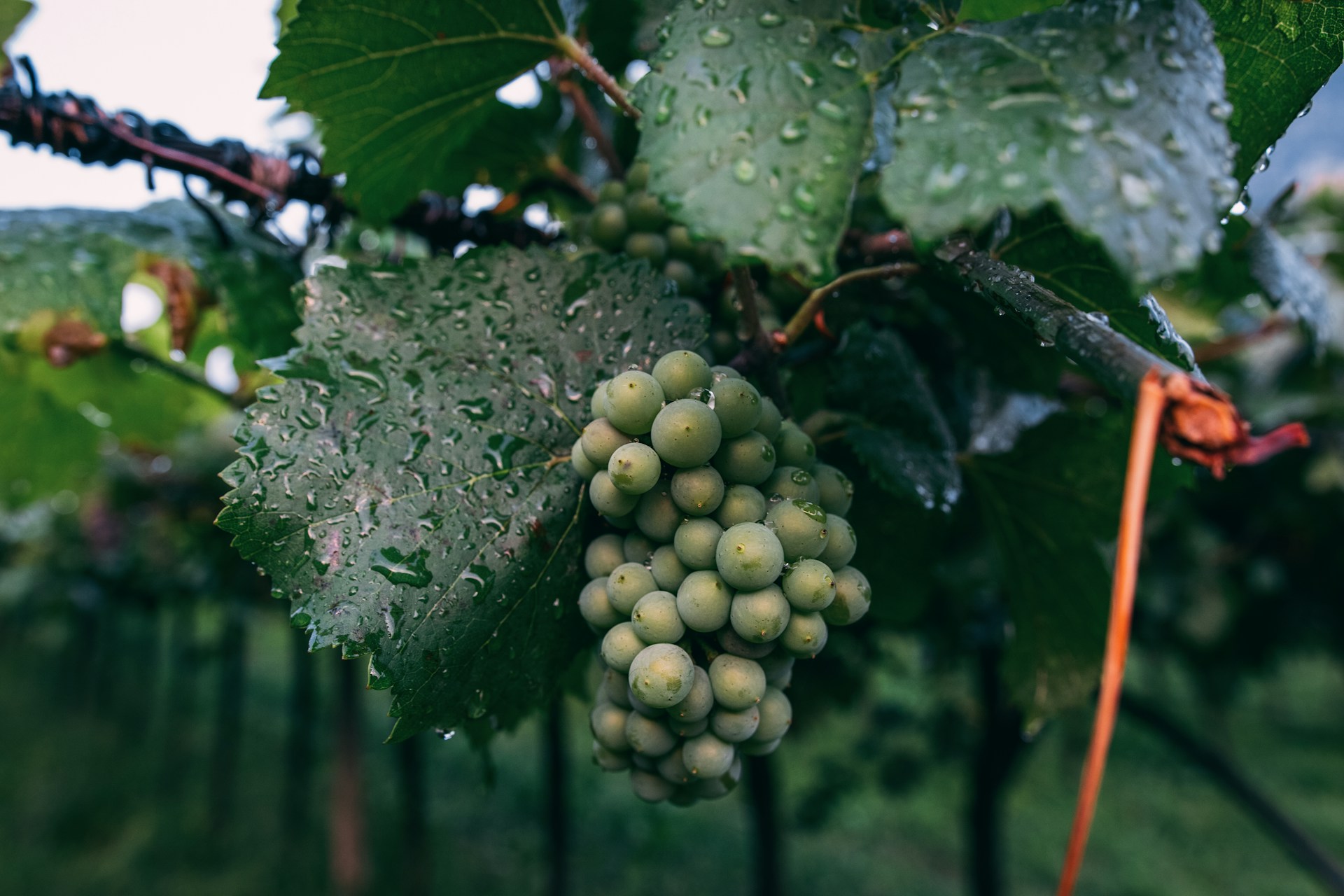
According to the Beverage Industry Environmental Roundtable, aka BIER (at least someone had a bit of fun with that acronym), brewing uses roughly four to seven litres of water for every litre of beer produced. That figure accounts for the water used in the brewing process itself: cleaning, cooling, steam. It doesn't include the water embedded in the raw ingredients: the barley, the hops, the adjuncts. Add that in and the real water intensity of a pint of beer is closer to 150 to 300 litres per litre, depending on where and how the ingredients were grown.
Alan Ridealgh put it plainly: "To make one pint of beer you need about three and a half pints of water, and the extra water isn't wasted." He's right about the ratio at the brewery level and the full supply chain picture is larger still.
Wine carries an average water footprint of around 870 litres per litre when you account for the vineyard. Spirits vary enormously: a litre of whisky can embed anywhere from 200 to over 1,000 litres depending on the grain source, the distillation process and the geography of the distillery.
Two different risks, both real
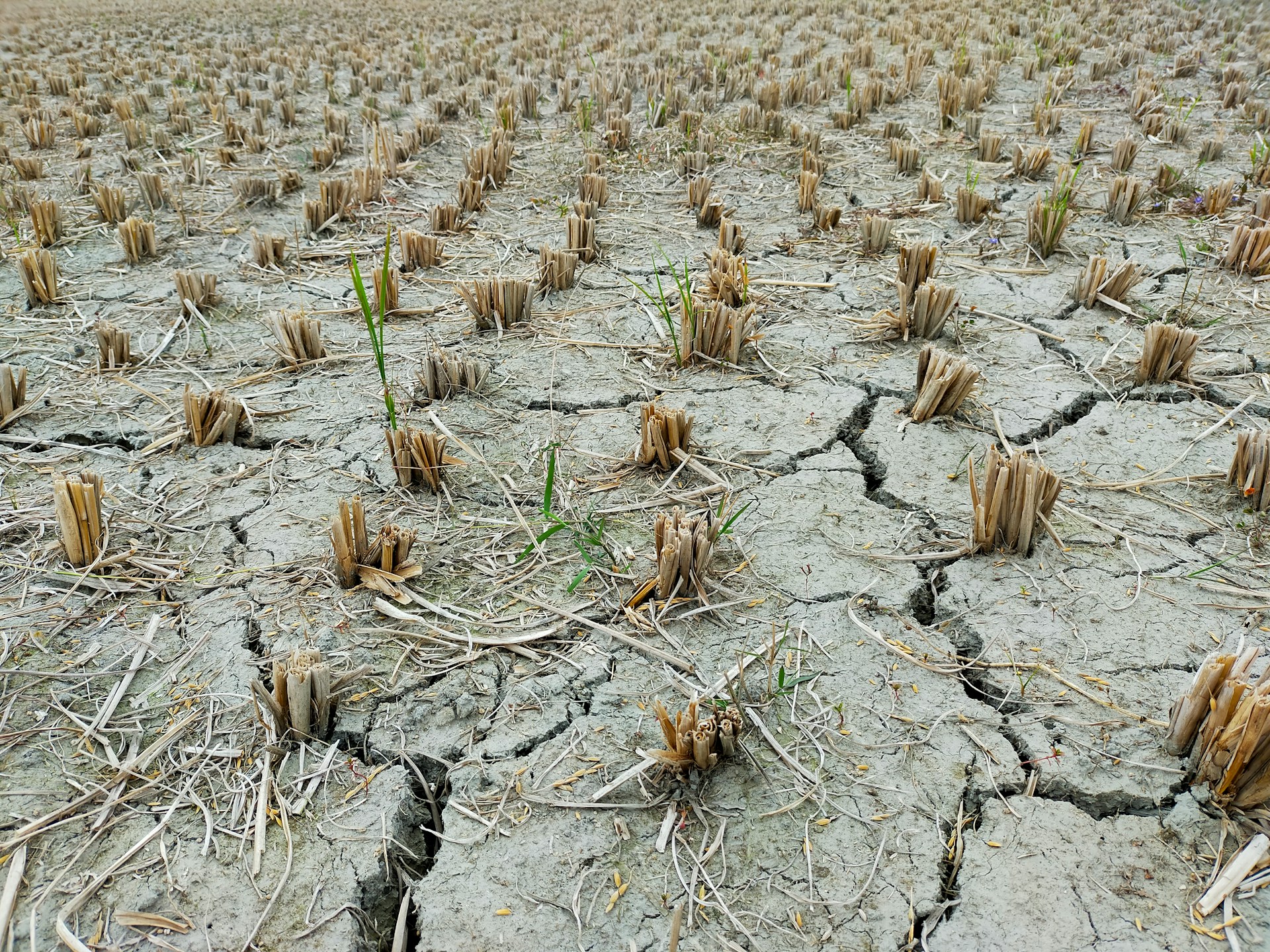
The increased risk of drought and the flooding are not opposites. They are two symptoms of the same underlying climate crisis, and both create material risks for drinks producers.
Water scarcity affects ingredient supply first. Record heatwaves have troubled British and European farmers, raising concerns over reservoir levels and food supply. Barley yields, grape harvests, apple crops: all depend on reliable rainfall and healthy water tables. When those fail, ingredient costs rise, quality becomes inconsistent, and in the worst cases supply chains break. A brand that has not mapped its water dependencies has no early warning system for any of this.
For distilleries and breweries in drought-affected regions, scarcity is already operational. Tobermory Distillery on the Isle of Mull has been forced to halt production twice due to low water levels in the private loch it draws from. This isn't a planning scenario. It already happened.
Water access is the second risk, and the Suffolk moratorium makes it concrete. Essex and Suffolk Water's decision affects not just new businesses looking to connect, but existing ones looking to grow. Non-domestic water users are also facing price rises of nearly 30% by 2030, according to Ofwat. Unlike large industrial users who negotiate volume rates, small drinks producers pay standard rates and have no leverage.
Water quality is the third risk, and flooding makes it acute. When rivers burst their banks, agricultural runoff carries pesticides, nitrates and pathogens into water sources. For distilleries and breweries drawing from local water sources, this is an operational concern, not a theoretical one.
Why this isn't on most brands' radar
The sustainability conversation in the drinks industry has been dominated by carbon for the past five years. Carbon is important. But carbon reporting frameworks, even thorough ones, treat water as a secondary metric. It often doesn't appear in a basic Scope 1 and 2 carbon audit at all. It shows up in Scope 3 if you dig into ingredient-level LCAs, and only if the LCA methodology you're using accounts for water stress by geography, which many don't.
The result is that brands have invested real effort in measuring their carbon footprint while remaining genuinely blind to a risk that is, in many cases, more immediately material to their supply chain.
The TNFD (Taskforce on Nature-related Financial Disclosures) and the EU's Nature Restoration Law are beginning to change this. Water is now explicitly a nature-related financial risk, not just an environmental concern. Boards and investors are starting to ask about it. Retailers will follow.
What a water footprint actually involves
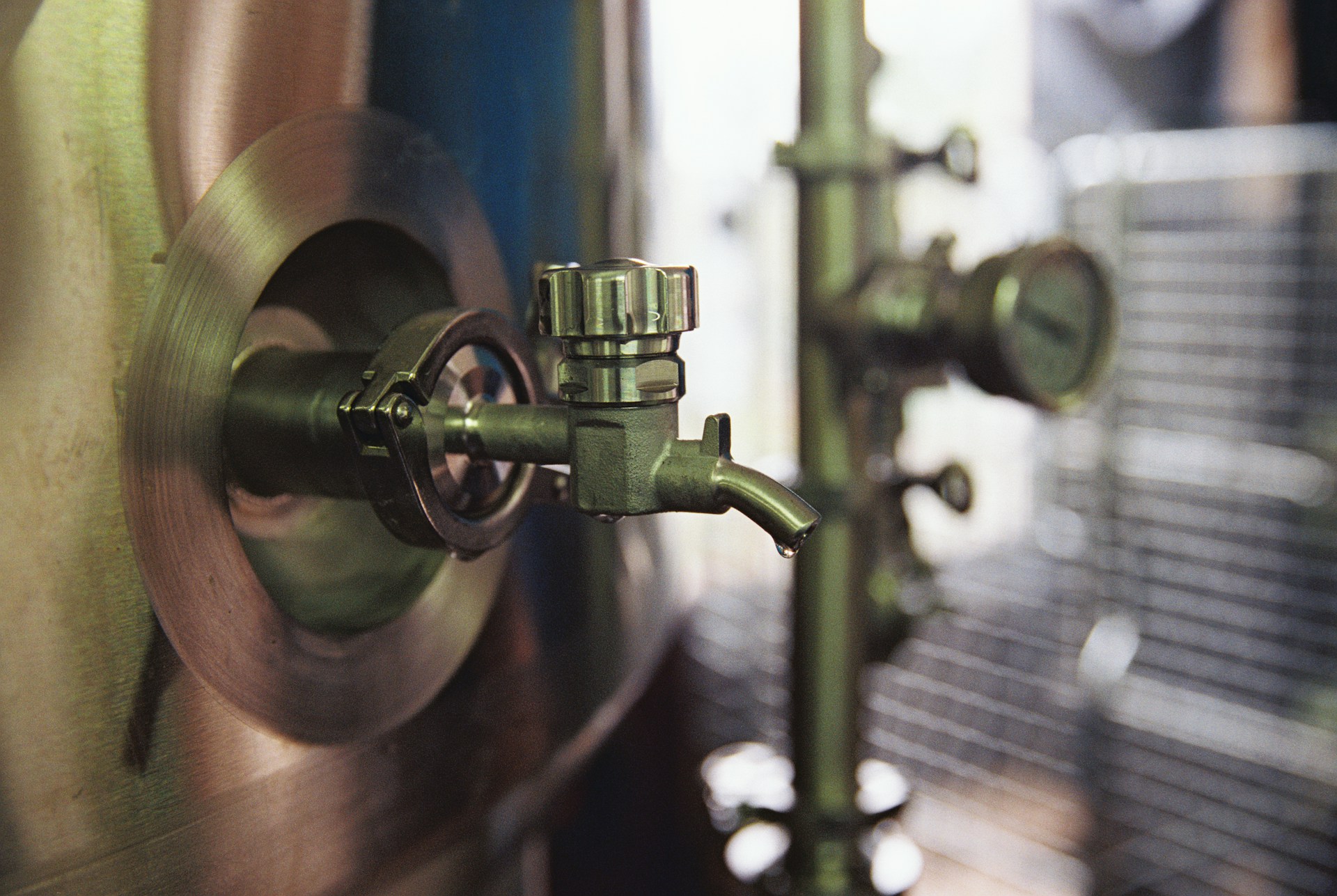
A credible water assessment for a drinks brand covers three things.
Water consumption at the point of production. How much water does your brewery, distillery or winery use per litre of product? This is the number most brands can find if they look. It's a useful starting point, but it's the smallest part of the picture.
Embedded water in ingredients. This is the big number and the one most brands are missing. The water that grew your barley, your grapes, your apples. This requires an ingredient-level LCA that goes back to the farm, and it needs to account for the geography of production, because a tonne of barley grown in water-stressed East Anglia carries a very different water risk profile to the same tonne grown in Scotland.
Water stress context. A litre of water used in Scotland is not the same as a litre used in a water-stressed one such as the Sahara. A credible water footprint weights consumption by the stress level of the watershed it's drawn from and turns a raw number into a meaningful risk indicator.
Where to start
You do not need to solve this all at once, but you do need to start.
The first step is understanding where your water comes from: your production facility, your primary ingredient suppliers, and the regions those suppliers operate in. That's a supply chain mapping exercise, and it's the foundation of everything else.
The second step is measuring consumption at the production level. Litres in, litres out, litres lost to evaporation and cleaning. Most production facilities have this data somewhere; the work is pulling it into a format that can be assessed and tracked over time.
The third step is the ingredient-level picture, which requires a proper LCA methodology that accounts for agricultural water use and water stress by geography.
The Heart of Suffolk Distillery didn't choose to think about water. Water came to them, in the form of a letter telling them they couldn't use any more of it. That's one way to discover your dependency. The better way is to understand it before someone else forces the conversation.
alkatera measures water, biodiversity and social impact alongside carbon. If you want to understand your water footprint, start at alkatera.com.

