
11 min read · 21 April 2026 · Tim Etherington-Judge
Earth Day 2026: The Hard Road to the Right Destination
The drinks industry's relationship with the land is more intimate than we sometimes like to admit. We grow things, or at least buy things that are grown by somebody else. We depend on clean water, healthy soil where the flavour starts, reliable weather, and a functioning ecosystem of pollinators, microbes, and fungal networks that synthetic chemistry has been quietly degrading for decades. The brands that will navigate the next decade well are those that understand this relationship and start building supply chains that reflect it.

May you live in interesting times, so the curse goes.
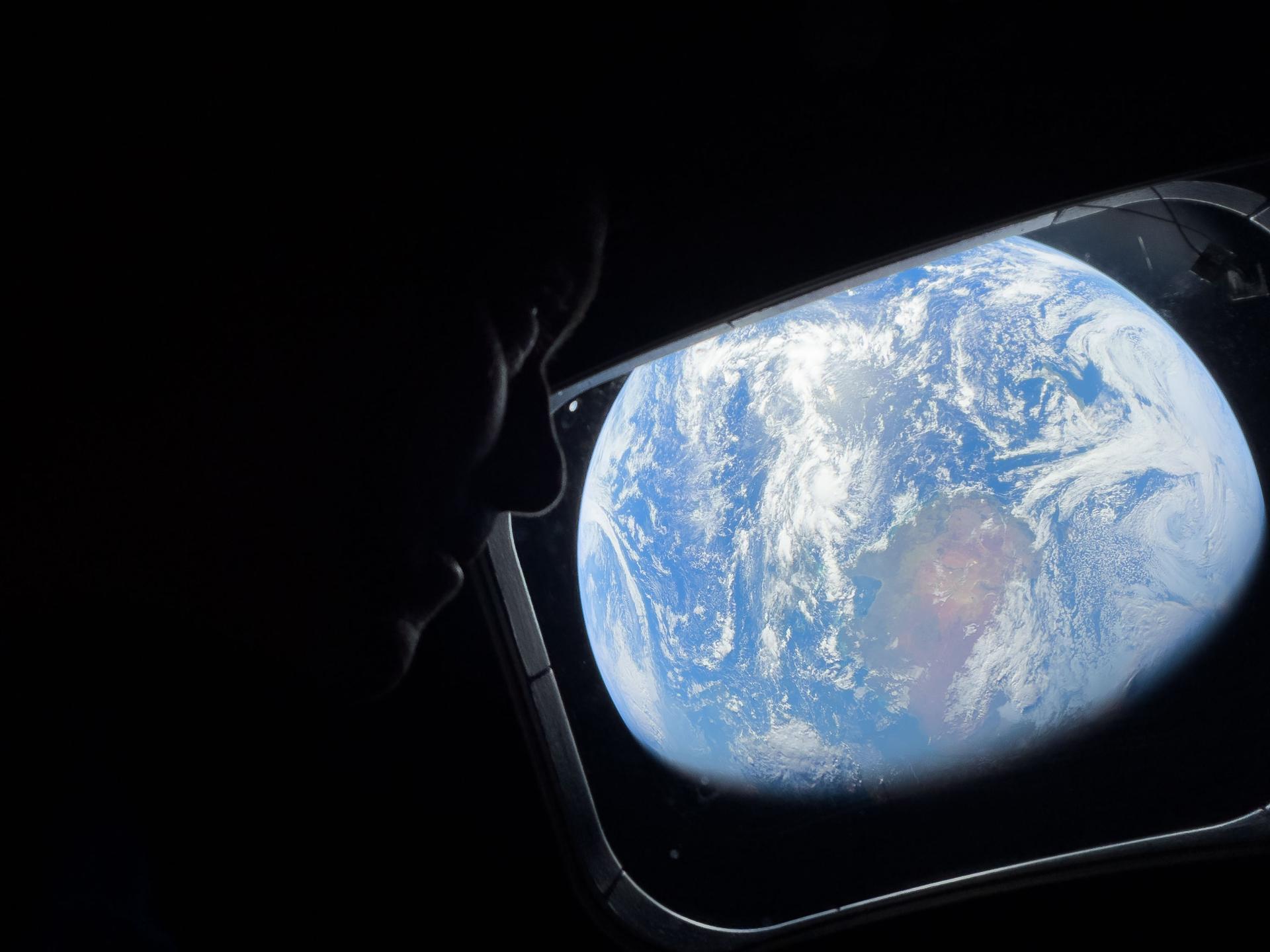
Like most of us, I have spent the last several weeks watching the world absorb a shock that was, in retrospect, always coming. And like many of us, I also watched in awe the photos and footage of the Artemis mission, and the 21st Century update of the most important photo in history.
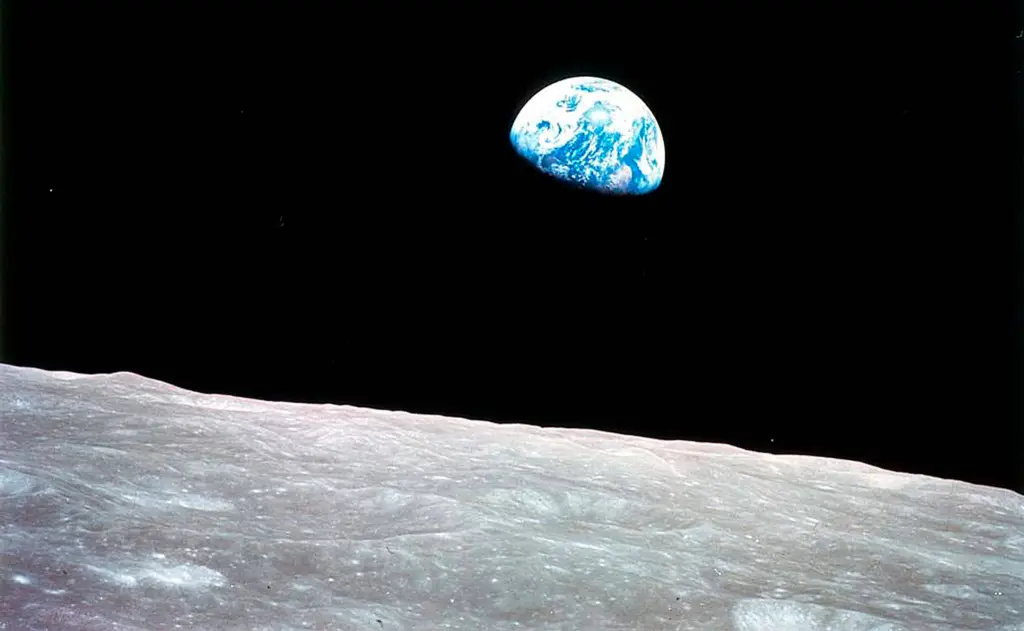
We stand once again as a global civilisation, both reminded of our incredibly special and fragile place in the great cosmos whilst collectively being punished because of the actions of pensioner aged white men playing toy soldiers with real lives, horrific war crimes, and very real consequences.
Since the closure of the Strait of Hormuz in early March, following the illegal US and Israeli strikes on Iran under 'Operation Epic Fury' oil has breached $126 a barrel and there's plenty of evidence of insider trading around Trump's flip-flopping announcements, all whilst 4 humans ventured further than anyone has ever been from our planet.
Fertiliser prices have risen 40% in weeks. Shipping costs have doubled, hundreds of the world's biggest floating warehouses are trapped in the Strait. Fuel prices are rivalling the eye watering figures we saw when Russia invaded Ukraine. The global supply chain is visibly straining under a pressure we haven't seen since Covid.
Let's not beat around the burning bush, these are historic times. For drinks producers, especially smaller ones without the hedging strategies of multinationals, the next twelve to eighteen months are going to be painful. Ingredient costs will rise, energy bills will rise and unfortunately, some businesses will not make it through.
But on this Earth Day, of all days, I find myself filled with optimism, thinking about what comes after.
A bet that was always fragile
The global economy we built in the second half of the twentieth century rested on a particular assumption: that cheap fossil fuels would flow reliably and forever through a handful of maritime chokepoints, controlled, in large part, by authoritarian governments, who were clock watching, waiting for the day the USA and Israel would invade or inflict regime change: Iran (2026), Iraq (1991, 2003), Libya (1986, 2011), Lebanon (1983-2026), Egypt (1956, 1967), Syria, Yemen, Qatar, Venezuela.
This was a fragile bet. We took it anyway, because the economics were too good to resist in the short term, and because the cost of the alternative, genuine energy independence, felt abstract and expensive in a way that a $30 barrel of oil did not.
What is happening right now is not a random crisis, it is history repeating itself, both on Earth and in Space, and it is the bill arriving for decades of dependency on oil and the machinations of men.
The Strait of Hormuz was always a chokepoint. Around 20% of global oil and liquefied natural gas passes through it, along with roughly 30% of the world's fertiliser trade. The moment a conflict made that passage untenable, the fragility of the whole system was exposed, not because anyone was surprised it could happen, but because we chose, collectively, not to price in the risk.
That choice has consequences we are living through now. But the choice ahead can, and must, be different.
What this means for the drinks industry specifically
The drinks industry is more exposed to this crisis than it might initially appear.
We are, fundamentally, an agricultural industry with a bit of light industry tacked on the end. Beer depends on barley and hops, wine depends on grapes, spirits depend on grain, fruits, desert succulents, or sweet grasses. All of these crops are grown using fertilisers of some kind, either petroleum based or organic based, and a significant proportion of global fertiliser supply transits the Persian Gulf. Urea prices have doubled in 5 months (since Dec 1st) whilst the planting season in much of the Northern Hemisphere is happening right now, and farmers facing fertiliser costs that have risen 40% in a matter of weeks face an unpleasant choice: pay more, apply less, or change approach entirely.
The energy intensity of drinks production compounds the problem. Distillation requires heat, refrigeration requires power, glass manufacture is extraordinarily energy-intensive. Logistics, already absorbing the shock of rerouted shipping, increasing diesel prices, and the drying of the Panama Canal, will pass those costs downstream.
And then there's the cost of living crisis on top of all this. Prices for everything are going up and the majority of people, already stretched financially and cutting back on their going out or enjoying a drink, are being forced to make even harder choices. We're set for another winter of 'heating or eating' for many people.
For a craft brewery or independent distillery running on thin margins, this is not an abstraction, it is an immediate threat to viability.
But.....
The night is always darkest just before the dawn
The war in Ukraine accelerated Europe's push toward energy independence in ways that years of climate policy had not. The lesson was simple and brutal: dependency on a hostile regime for something essential is a vulnerability. The political will to address that vulnerability, which had always existed in principle, and when the Russian tanks rolled over the border, it suddenly existed in practice.
We are already seeing evidence that the closure of the Strait of Hormuz will do something similar, but at a global scale, and with more permanence.
Isn't it ironic, don't you think, that a man so in love with oil and who has rolled back just about every environmental protection ever created in the USA, is going to be the one that does more for the transition to clean, independent renewable energy than anyone else alive? Well I guess Just Stop Oil were right in choosing orange as their colour.
Renewable energy is no longer simply a climate and pollution argument, it has become a national security and independence argument and an inflation management argument. It is, as analysts are now putting it, a geopolitical asset that insulates economies from the "fossilflation" cycles that occur whenever a conflict, a cartel decision, an evil old man trying to avoid jail, or a political disruption affects the flow of oil and gas. South Korea's energy minister said last week that the Iran war represents a "fundamental turning point" toward renewables. Similar statements are coming from governments across Asia and Europe.
This is not idealism. This is self-interest arriving at the right conclusion.
Pakistan of all places, a country whose economy for so long was at the whims and vagaries of the international oil market, has seen a citizen led movement to install solar panels on a mezmerising scale and speed. In just 5 years, from 2020 to 2025, the people of Pakistan installed more solar panels on houses, farms, businesses, and water pumps, than the UK has installed solar capacity, but 50%.
The same logic applies to agriculture. Regenerative farming, which reduces or eliminates dependence on synthetic fertilisers by rebuilding soil health through compost, rotational grazing, cover crops, and biological inputs, has been growing steadily as a market and a practice. The fertiliser shock of 2026 will accelerate that transition in the same way that energy price shocks accelerate renewable investment. Farmers who have been weighing the costs and benefits of significantly reducing or transitioning away from synthetic inputs have just watched the cost side of that equation change dramatically and permanently.
Recent research suggests that yields on regenerative farms run only around 2% lower than their conventional counterparts, while synthetic nitrogen use is 61% lower and pesticide use 75% lower. When fertiliser prices were stable, that trade-off felt marginal. When urea has risen 40% in eight weeks, it does not feel marginal at all and all of a sudden, regenerative and organic farming looks by far the best option cost wise. It will be interesting to see if organic food prices rise at the same rate as non-organic food in the supermarkets.

What this means for drinks producers who are paying attention
The drinks industry's relationship with the land is more intimate than we sometimes like to admit. We grow things, or at least buy things that are grown by somebody else. We depend on clean water, healthy soil where the flavour starts, reliable weather, and a functioning ecosystem of pollinators, microbes, and fungal networks that synthetic chemistry has been quietly degrading for decades.
I believe that the brands that will navigate the next decade well are those that understand this relationship and start building supply chains that reflect it. I believe so much that it's the reason I built alkatera.
That means working with growers who are transitioning to regenerative practices not as a marketing exercise, but as a genuine hedge against input cost volatility. It means understanding where your agricultural ingredients come from and how they are grown, because that knowledge is now commercially relevant in a way it was not two years ago. It means measuring your energy consumption and your Scope 3 emissions not because a regulator has told you to, but because that data tells you where your cost exposure sits and where the opportunities for resilience are. It means looking at every step of your supply chain and looking for opportunities to reduce, reuse, repair, and then recycle.
At Avallen, we built our calvados on apple orchards in Normandy that we chose partly because the farming practices have been operating this way for generations: low inputs, better soil health, stronger biodiversity. That was an environmental choice at the time but today it is increasingly an economic one.

The question of optimism
I am aware that optimism can be an uncomfortable posture right now. People are facing real hardship. Energy bills are rising. Food prices are climbing. Some businesses in our industry have or will close. The short-term picture is genuinely difficult, and I have no interest in papering over that with reassuring abstractions about the long arc of history and empty motivational quotes like 'what doesn't kill you makes you stronger'.
But I also think that the alternative, treating this crisis as purely catastrophic, with no structural upside, is both intellectually dishonest and practically unhelpful.
The world we are heading toward, if we navigate this period intelligently, is one in which the majority of energy is generated locally and abundantly from renewable sources that do not require us to maintain relationships with authoritarian regimes. Where agriculture uses fewer toxic inputs, builds soil health rather than depleting it, and allows biodiversity to rebound. Where our drinks industry, which has always depended on a healthy planet for its raw materials, is structured around supply chains that reflect these dependencies rather than ignoring them.
That world is not guaranteed. It requires choices, by governments, by investors, by businesses, and by individuals, that the current crisis is making easier to justify and harder to avoid.

What I think about on Earth Day 2026
Earth Day was founded in 1970, in the aftermath of a catastrophic oil spill off the coast of Santa Barbara, California. It emerged from a crisis, as many of the most important environmental movements have.
This crisis in 2026 is different in scale and character, but the underlying dynamic is familiar: a moment of rupture that forces a reckoning with the cost of how things have been done, and opens a window for doing them differently.
The window will not stay open indefinitely. Political will is fickle. Energy prices, when they fall, tend to reduce the urgency of structural change. The lesson of the Ukraine war, that the push toward renewables can be sustained even when the immediate crisis recedes, suggests that this time may be different, but it is not guaranteed.
What I know, from building Avallen and now alkatera, is that the drinks industry has both more exposure to these forces and more agency than it often recognises.
We are agricultural businesses. We depend on water and soil and a stable climate. But we also make the products that bring people together, to have conversations, and to discuss the topics of the day.
We also have the ability to choose our suppliers, our ingredients, our energy sources, how we measure and communicate our environmental performance, and we also have the ability to inspire others to make better choices.
The short-term picture is hard. The long-term direction is right.
Sometimes the right destination requires a hard road.
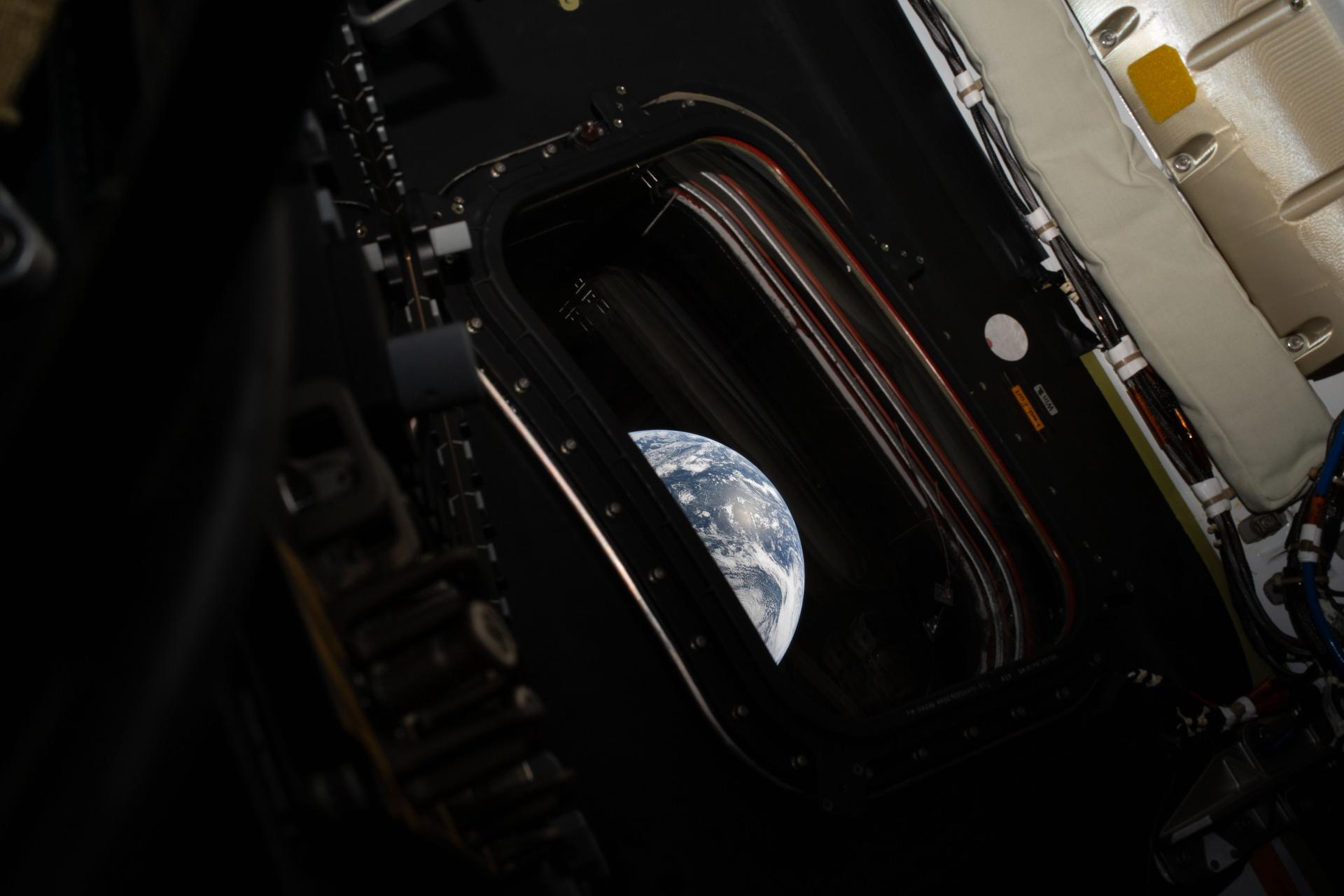
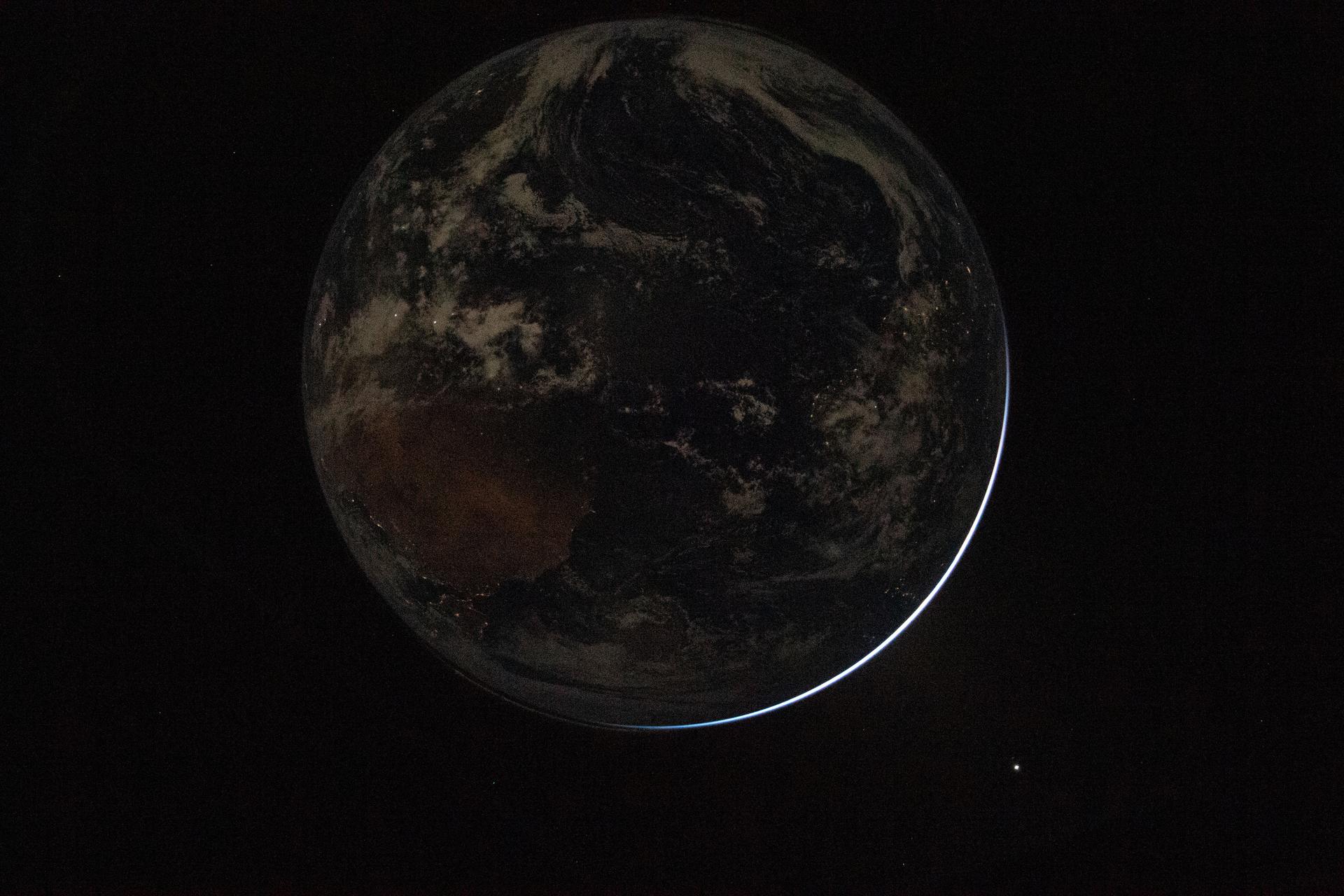
thank you to NASA for the incredible images from the Artemis 2 mission.
Tim Etherington-Judge is co-founder of Avallen Calvados and founder of alkatera, a sustainability platform for the drinks industry.

