
4 min read · 11 November 2026 · Tim Etherington-Judge
Don't Waste Your Waste
Drinks producers already know how full their bins are, but rarely know where the waste goes or what it costs in carbon. This piece shows why destination matters and which three numbers to track to...
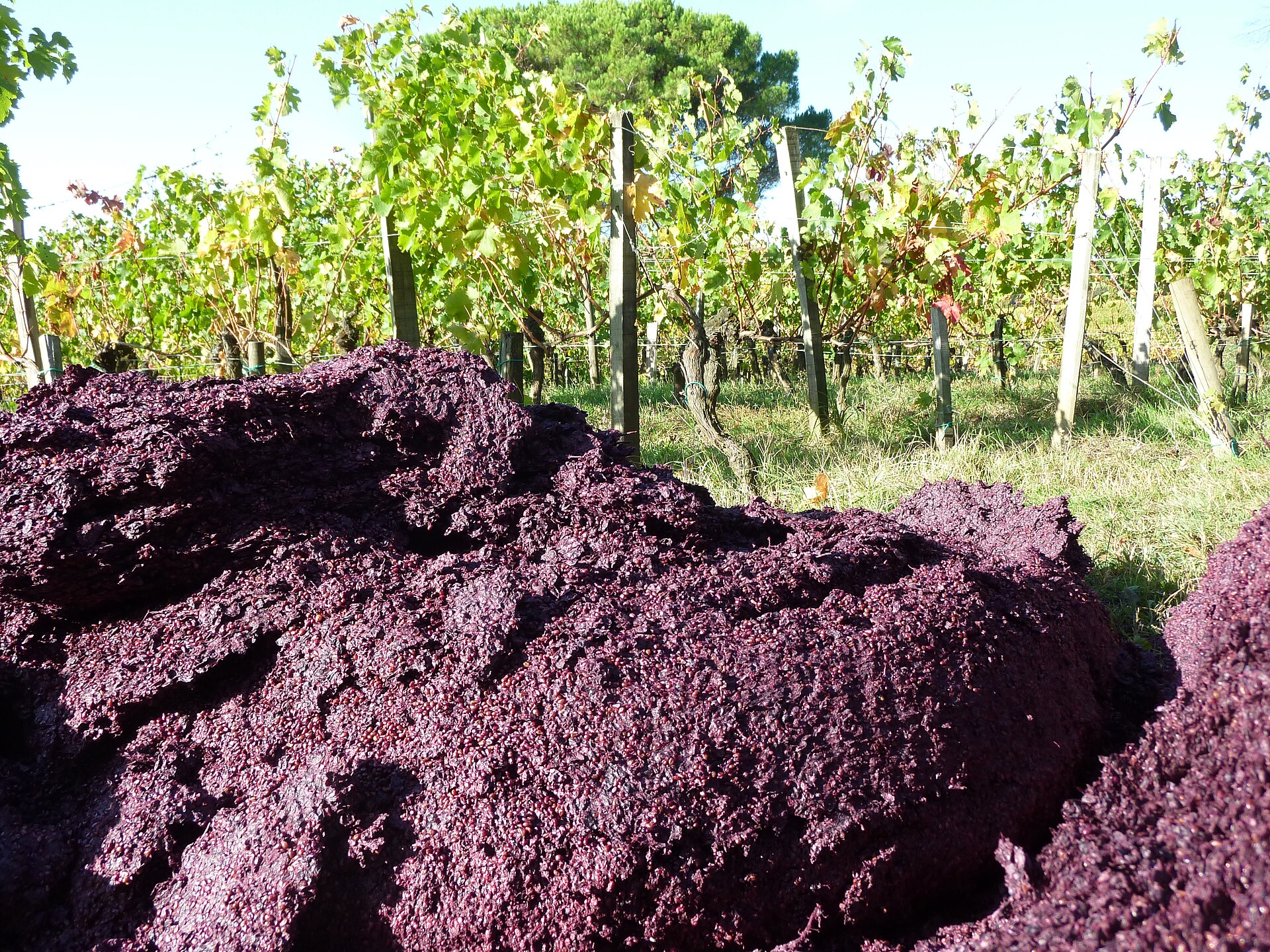
Food and drink waste is part of the climate problem
Like any business, producing drinks creates waste. I used to run cocktail bars and I saw first hand just how much waste we had at the end of a night and how full the bottle bins got.
Pot ale, pomace, apple pulp, spent yeast and lees, rejected stock, broken packaging, bottles, carbon dioxide, pallet wrap & straps, cardboard, and so many other things this entire article could just be a list of waste items.
As a producer you probably know when your bins are full and how much waste you produce across the important areas. What you might not know tho is where your waste goes, or what it costs in carbon and environmental impact.
During COP31 in Antalya, its Action Agenda includes a Zero Waste theme. It covers methane from waste, circular economy policy, and food loss and waste. Whatever is agreed in the room (I’m choosing to be optimistic for this article), the practical effect will reach drinks businesses through their buyers and changes to legislation through programmes like deposit return schemes.
Why waste matters to drinks
Waste is a cost before it is anything else. Spent grain, pressed fruit, broken packaging, and liquid that leave your facility are materials you have already paid for, and you are paying again to move them away.
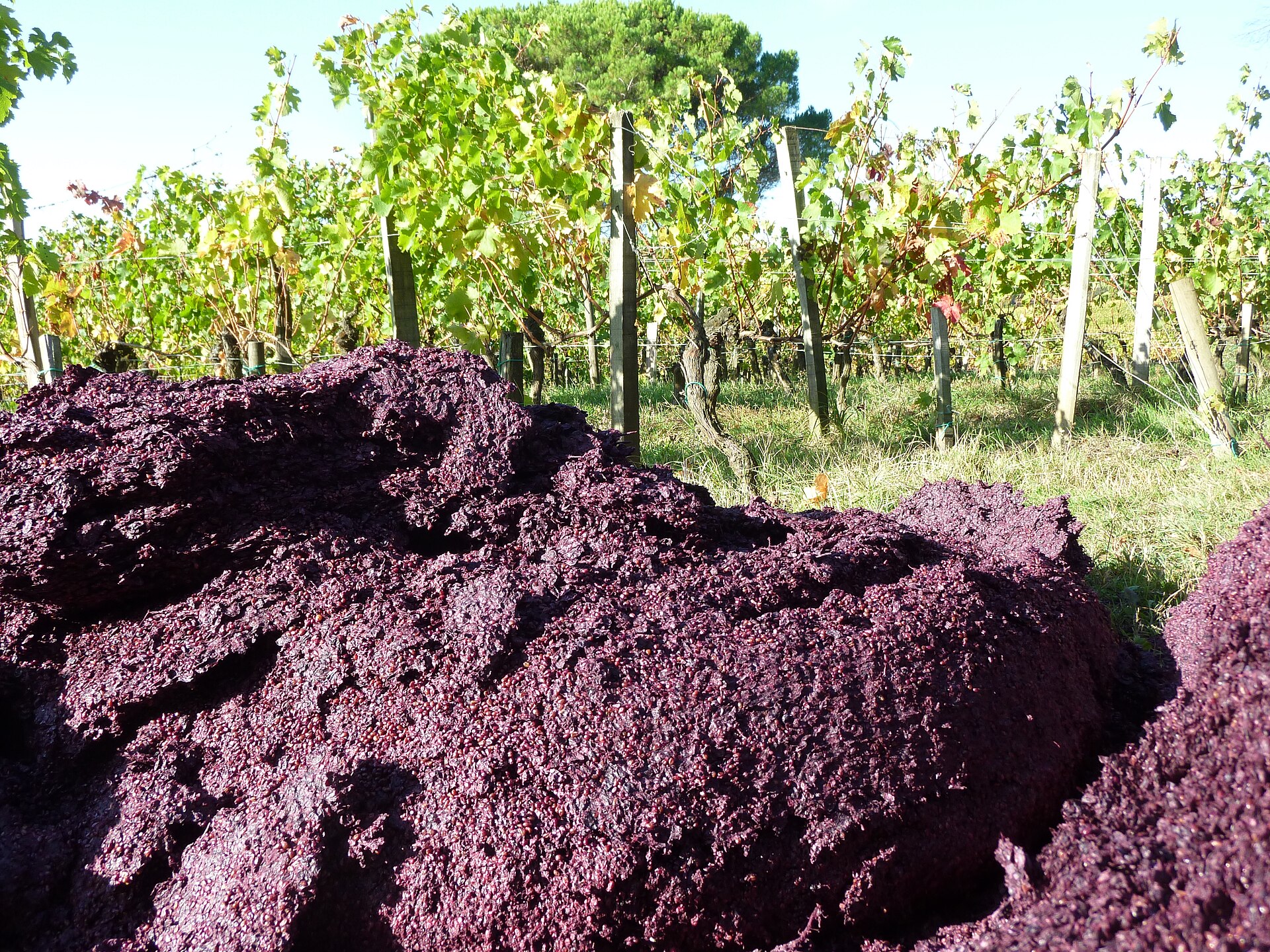
It is also a climate and wider environmental issue. When organic matter breaks down in landfill via anaerobic decomposition, it can release methane, the greenhouse gas that’s much more potent than carbon dioxide over the short term (thankfully it doesn’t hang around as long as CO2). Beyond methane it can also produce leachate, a pretty toxic liquid that can seep into and pollute groundwater and nearby waterways.
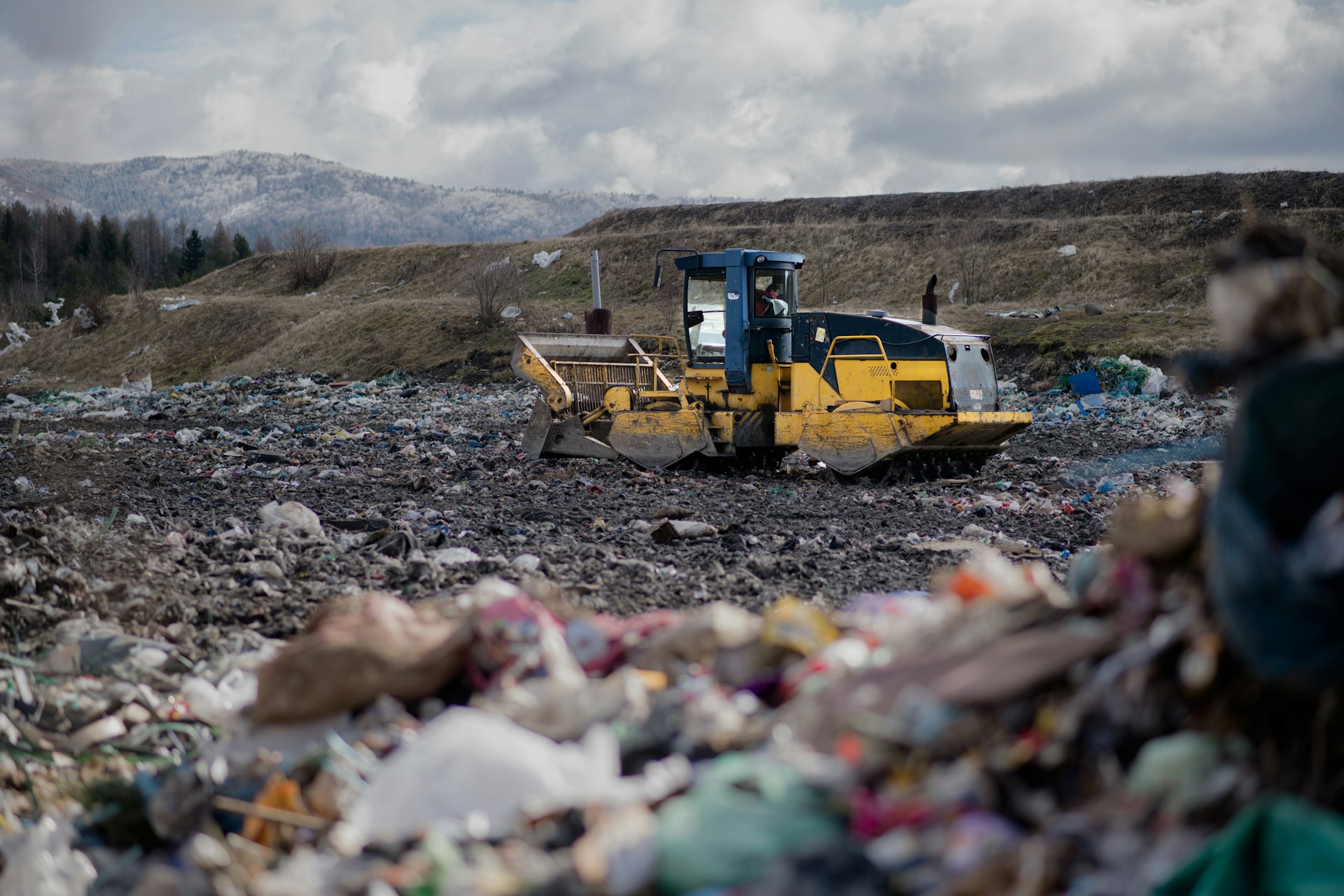
That same material however can go a very different way and as the old saying goes, ‘one mans waste is another mans treasure’. Spent grain can, and often does, go to feed cattle, pomace and fruit waste can be composted or perhaps made into fruit leather, other food items, or even soaps, and some streams can be sent to anaerobic digestion to be turned into biogas, which you could then use to fuel your facility, closing the circle and reducing your gas bill.
Where materials end up change their footprint, which is why the destination and what happens to your waste matters as much as its weight.
Waste is also a question buyers are starting to ask, especially with the bigger retailers and on-trade customers. Products like bag-in-box, solutions like ecoSPIRITS, alternative packaging such as paper bottles, all reduce the waste downstream for your customers, and then is a positive commercial benefit for them and for you.
If one of your customers wants to know the footprint of a product, and they are going to start asking more and more believe me, the answer should always include the production process, and that includes what the process throws away.
Three things to measure
You need three numbers, recorded the same way every time, and you probably have them already, tucked away in invoices, spreadsheets, or emails.
1. How much waste leaves the site. Weigh it, even roughly, at the same point each time. A pallet scale, a weigh bridge, or a waste contractor's records, and most of them will give give you or charge you by weiaht. The aim is consistency
2. Where it goes. Write down each stream's destination: feed, compost, anaerobic digestion, recycling or landfill. Your waste contractor's paperwork records the destination for each load, so the information is usually already in your files.
3. How often you check. A single count tells you very little. A weekly or monthly record shows whether the bin is shrinking, whether a new product has changed the mix, and whether a change you made has worked.
What alkatera does
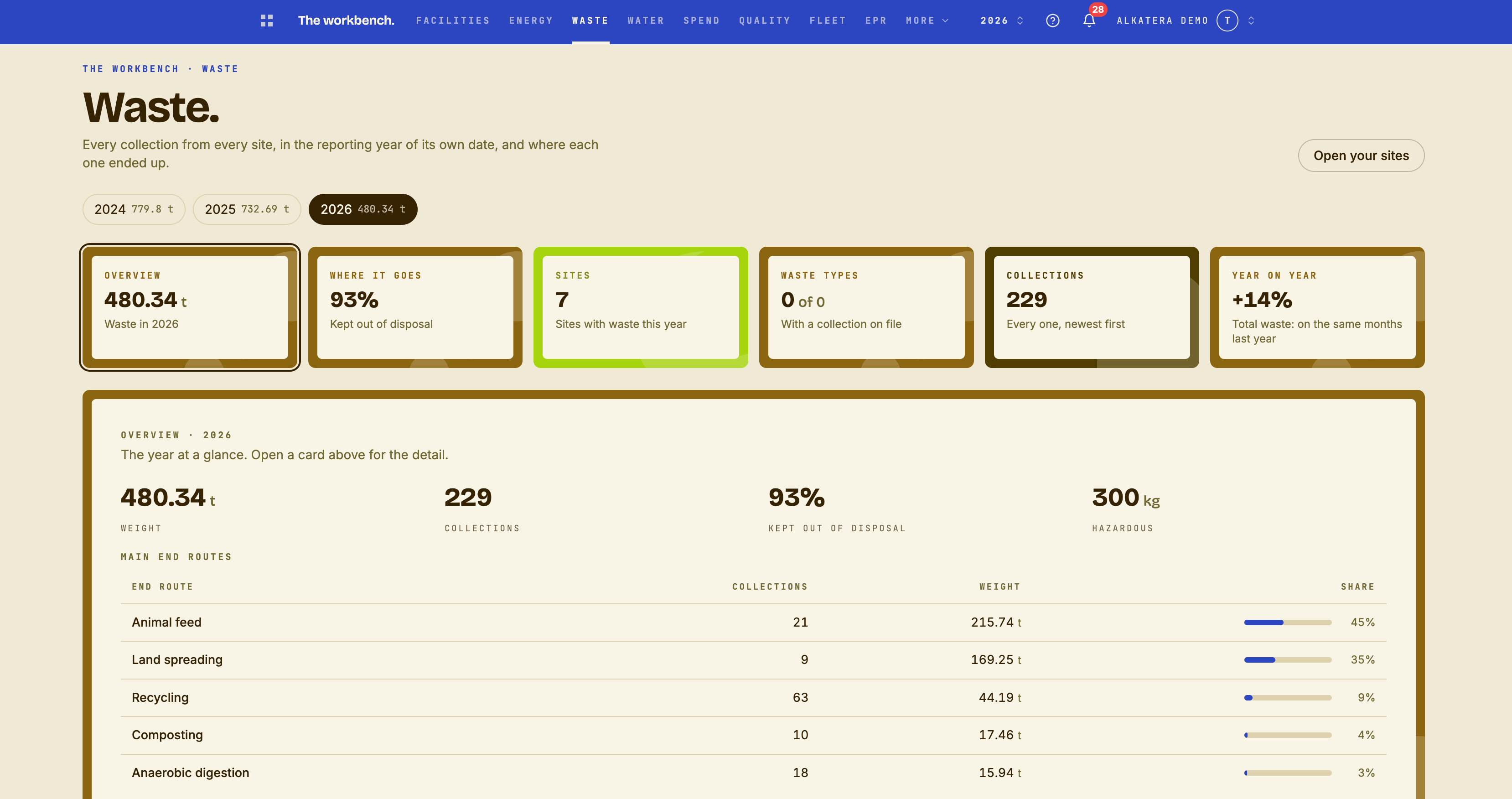
alkatera tracks waste alongside carbon, water and land, so you can see waste next to the rest of its environmental impact rather than in a separate spreadsheet. We break it down for you so you can see what your waste is, where it goes, whether you’re producing more or less,
The point is not to produce a prettier report, although our reports are pretty. It is to show you the data so you can decide what to change first to make the biggest impact. Low-hanging fruit and all that.
Win the bin
You already know what goes in your bins. The harder question is how can you track that waste, take steps to reduce it, and take advantage of the opportunity to lower costs, improve margin, build commercial benefits downstream, and reduce your impact.
If you’re keen to find out more and how alkatera can help you track and reduce your waste then get in touch.

