
8 min read · 3 November 2026 · Tim Etherington-Judge
COP17: the nature summit drinks makers should be watching
COP17, the UN biodiversity meeting in Yerevan, reviewed progress on the Montreal nature targets and found the world off track on almost all of them.
You've probably heard of the climate COP, the annual mass gathering of fossil fuel lobbyists sprinkled with a few government representatives and people concerned about the state of our climate. COP31 starts next week in Antalya, Turkey.
You might not have heard of the 'other COP' however. The nature COP is the UN Biodiversity Conference, unsurprisingly with less fossil fuel champions, where almost every country tries to agree how it will stop wildlife, forests, rivers and soils from being lost. This year, the 17th meeting, catchily titled: COP17, closed in a city most people haven't heard of: Yerevan, Armenia, at the end of October 2026.
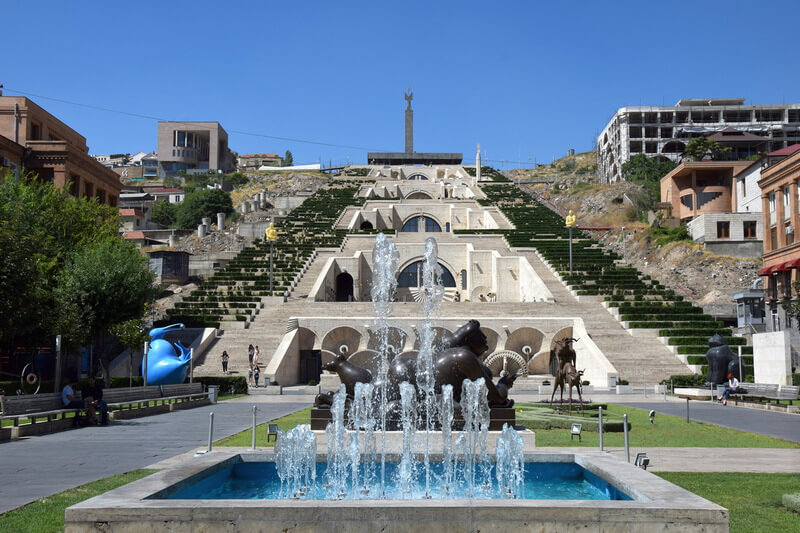
I happen to know where Yerevan is because I lived there for seven months in 2022 (a wonderful city, especially if you love modernist Soviet architecture), and it was there that my life changed for the better when I found a tiny tick and flea covered frightened little puppy in a cage on the street. Her name is Rosa and she's the best thing that ever happened to me (you might recognise that name if you use alkatera). That moment taught me something about nature loss too: it is easy to walk past a problem until it is right in front of you.
If you make drinks, you should care about this meeting. Barley, apples, grapes, hops, botanicals, and water are all nature. When the land, wildlife, and rivers that supply them decline, your costs, your supply chain, and your product decline with them.
What happened in Montreal?
Governments have been making promises about nature loss for years, which given the precipitous decline of our nature world, might surprise you. The most recent big agreement came in Montreal in December 2022, at COP15. Countries successfully agreed to adopt the Kunming-Montreal Global Biodiversity Framework: four goals and 23 targets, most of them for 2030, with the longer-term goals running to 2050.
Some of the targets are easy to picture. Protect at least 30% of land and sea. Restore at least 30% of degraded ecosystems. Halve the rate at which invasive species spread. Cut excess nutrient pollution and the overall risk from pesticides by at least half. Reduce harmful subsidies by at least $500 billion a year by 2030. Exciting, positive stuff to make a meaningful difference to the natural world. COP15 was deemed a massive success.
Those 23 targets are the yardstick for everything that followed. Keep them in mind when you read about COP17, because the question is always whether the meetings are moving the world towards them.
Why the numbers should worry you
The headline figure is grim. Nature is declining at a rate that threatens around one million species, and the people who depend on healthy ecosystems number in the billions. The WWF and ZSL released a report in 2024 that shows a CATASTROPHIC 73% decline in monitored wildlife populations in just 50 years between 1970 and 2020.
I'll say that again for dramatic effect.
In the length of my life (I turn 50 next year) on this tiny blue marble hurtling through space, the only home we've got, WE'VE KILLED NEARLY THREE QUARTERS OF ALL WILDLIFE.
The Montreal framework was built to halt and reverse that loss and ensure that for the children of today animals aren't only novelties found in zoos.
For a drinks business, a million species at risk is not an abstract number and biodiversity loss should be something that you pay attention to. Drinks start their lives as agricultural products and as we all know, flavour starts in the soil. Biodiversity loss means fewer pollinators around the orchards, vineyards, hop fields, and hedgerows that feed your supply chain, poorer soil for the barley, and rivers that run lower and warmer in summer. Soil, wetlands and fisheries can take decades to recover once they are damaged, which is why the 2030 deadline matters so much.
The stall in Cali
The first real test of the Montreal deal came in 2024 at COP16 in Cali, Colombia, and it went badly to be kind. The meeting came to an abrupt halt after countries failed to agree on a new fund during a long final session, because money is obviously more important than a liveable planet. The money question was left open, and talks had to resume in Rome in early 2025.
In Rome, governments adopted a strategy for raising the money needed to deliver the framework. It lists a wide range of instruments and institutions that could be used to mobilise funds. The target is roughly $200 billion a year by 2030 from all sources (an amount that Elon Musk alone could fund without any noticeable impact his life). Plans are useful, but a plan without committed money is still a plan.
What COP17 agreed
COP17 was the first global review of progress against the Montreal targets. Its verdict was blunt: the world is off track on almost all of them. And when I say almost all of them I mean 22 out of 23.
The meeting then agreed the Yerevan Pathway, which sets out priorities for the years to 2030 to deliver the 23 targets. Delegates adopted almost 50 decisions covering protected areas and forests, wildlife management, invasive alien species, marine and coastal biodiversity, and synthetic biology.
On money, around $2 billion in new biodiversity funding was pledged. That includes $560 million through the latest replenishment of the Global Environment Facility, $500 million through the Species Recovery Alliance, and $330 million through the Value Nature Fund.
These are all lovely big numbers that would make a positive impact. Let's also note that developed countries missed their 2025 interim goal of $20 billion, and the Cali Fund, which set a target of $1billion a year had received only $6,000 by October. And no that's not a typo.
On subsidies, governments agreed to speed up efforts to phase out or reform the incentives that pay for nature loss. The detail is thin, the timelines are soft, and looking at historical performance, we should be extremely sceptical.
What this means for drinks
Most of the decisions will not appear on a supermarket shelf. But three things will reach your business.
First, the nature targets will shape the rules. The UK Green Claims Code and the EU's EmpCo / ECGT already push brands to back up environmental claims with evidence. As governments set nature goals, expect more questions from retailers, buyers and certifiers about where your ingredients come from and what they do to the land and water around them.
Second, water and land are now part of the carbon conversation. A brand that only counts carbon will miss much of its real footprint as a huge part comes from the agricultural production of our ingredients Irrigation, land use, fertiliser run-off, monocrops, and packaging all affect nature, and they all show up in the numbers your buyers will ask for.
Third, the money gap is your gap to manage. Governments have promised far less than the targets need. Companies that want to show they are reducing their nature impact will need to do it themselves, with data they can defend. At Avallen Calvados, we do our part by donating at least 2% of our revenue to organisations that work to protect wild bee populations.
How we measure nature impacts at alkatera
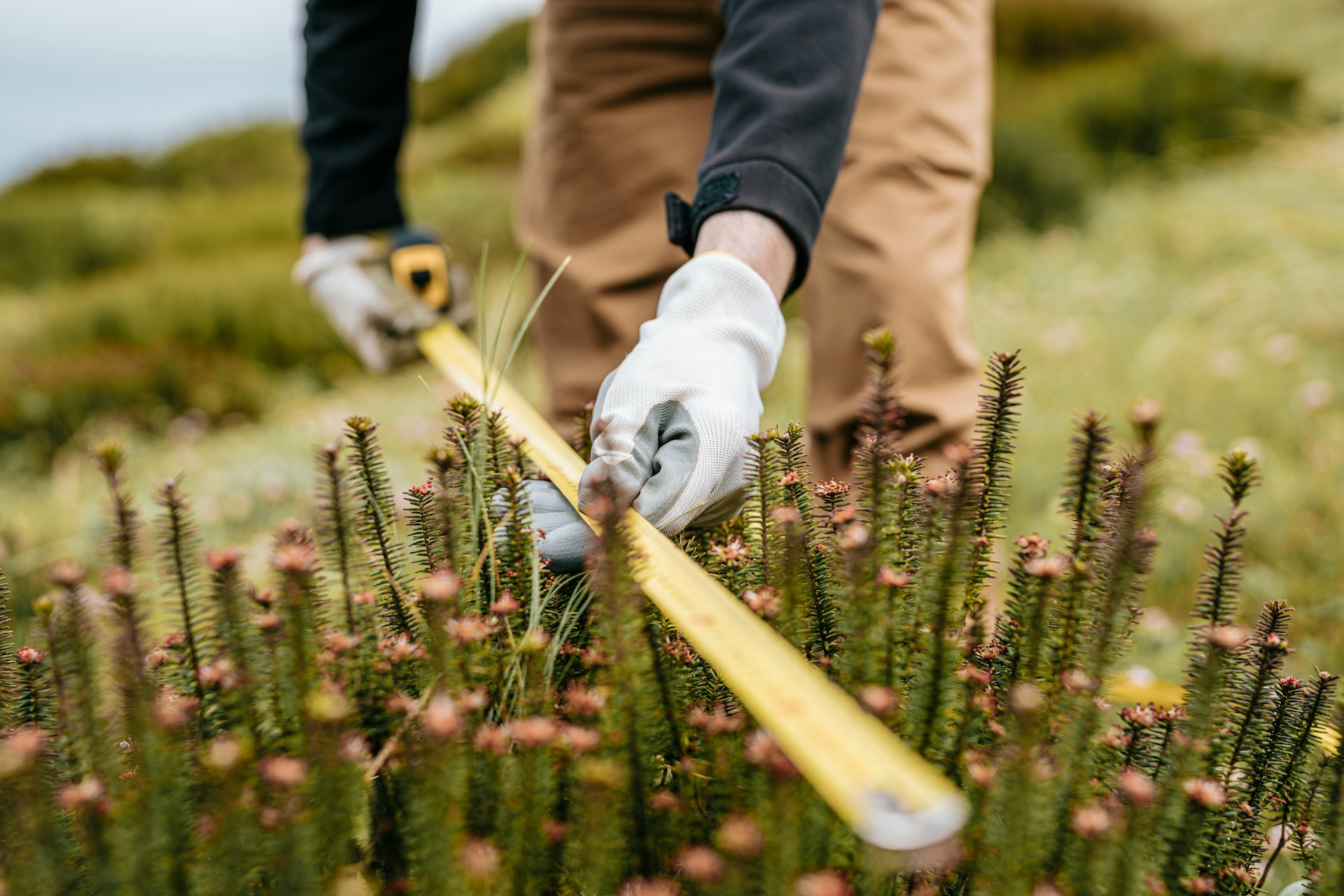
From the start I built alkatera with more than carbon in mind, and after conversations with good friend, passionate botanist, and founder of Everleaf, I worked on building out tools to measure impact on nature.
We measure the nature and ecosystem impact of drinks beyond just carbon emissions and water use, including land use, acidification, eutrophication, photochemical ozone formation aka smog, and fossil resource use, so that a producer knows where the impact sits and what to change first.
The aim is simple: turn sustainability data into a competitive advantage and long term risk tool, not a compliance chore.
Measuring is the first step, not the last. A brand that can show its real numbers, explain them plainly and track them year on year is in a far stronger position than one that repeats a vague promise about nature.
That is the gap between the talk at COP and the work a business can do this quarter.
My honest view
I have read the outcomes, and I am not impressed. As with almost every single COP ever (Kyoto and Paris get a pass), both climate and biodiversity, a lot was said, a lot was reviewed, and the world is still way off track. The money is short, the timelines are soft, and the pathway leaves the hardest decisions for later.
The structure also makes progress harder than it should be. The biodiversity convention works by consensus, not majority vote. That means one country can block a decision that nearly everyone else supports. The Cali collapse is the clearest example, and it was not an accident of one bad week. It is how the process is designed.
I am not saying the meetings are worthless. The framework and the targets give everyone a shared yardstick, and that matters. But a yardstick only helps if someone measures against it and takes action. Governments are slow, so businesses that already have the data have the advantage.
The last word
Nature will not wait for a consensus and I'm a huge believer in if something is not getting done, do it yourself.
Your supply chain massively depends on nature and it's wonderful complexity, so the sensible move is to measure it, be honest about what you find, and start improving it now.
And now you've finished reading this, go and watch the incredible Blue Planet 3.

